

Nutritional Labeling Standards in Commercial Food Distribution
02/22/2026
When commercial food distributors handle products that require nutritional labeling, understanding the complex web of federal and state regulations becomes critical for operational success. These standards aren’t just bureaucratic hurdles – they’re essential frameworks that protect consumers while ensuring your business maintains compliance across multiple jurisdictions. The stakes are high: mislabeling can result in product recalls, hefty fines, and damaged relationships with retail partners.
For companies operating in wholesale food service distribution, navigating nutritional labeling requirements requires expertise across different product categories and regulatory bodies. From FDA requirements for packaged goods to USDA standards for meat products, each category brings unique compliance challenges. Add state-level variations and restaurant disclosure rules into the mix, and the regulatory landscape becomes increasingly complex.
FDA Nutrition Facts Panel Requirements for Packaged Foods
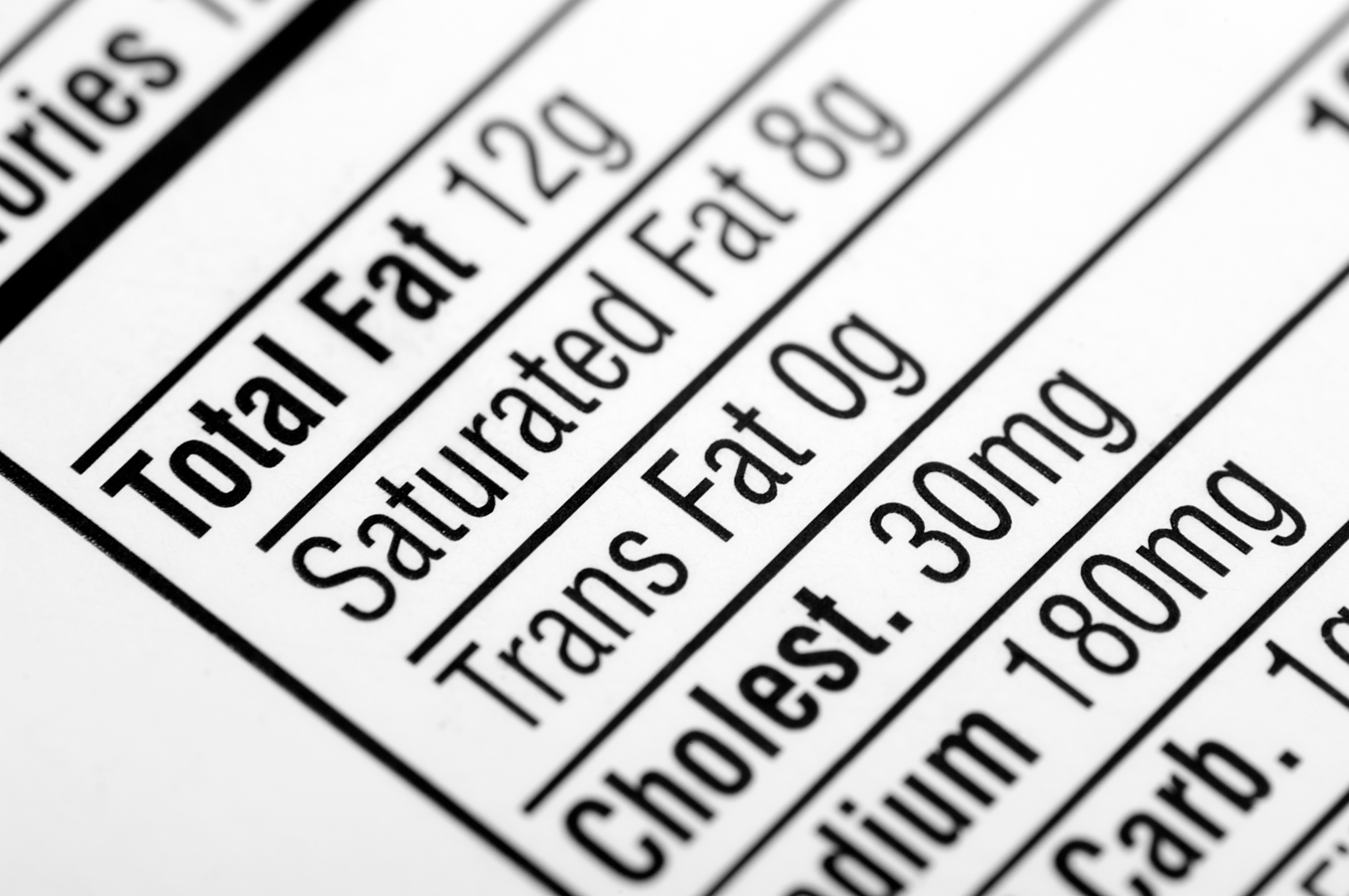
The FDA’s Nutrition Facts panel serves as the cornerstone of nutritional labeling standards for most packaged food products in commercial distribution. Every panel must display serving size information, calorie counts, and detailed breakdowns of nutrients including total fat, saturated fat, trans fat, cholesterol, sodium, total carbohydrates, dietary fiber, total sugars, added sugars, protein, and specific vitamins and minerals.
Commercial distributors must ensure their suppliers provide accurate nutritional data based on laboratory analysis or approved databases. The FDA requires that nutrient values meet specific compliance tolerances – for instance, calorie counts must be within 20% of the declared value. Labels must also include percent daily values (%DV) based on a 2,000-calorie diet, helping consumers understand how the product fits into their overall nutritional intake.
Recent updates to FDA labeling requirements have emphasized added sugars and updated serving sizes to reflect actual consumption patterns. Products distributed through food service channels must comply with these updated standards, making accurate supplier documentation essential for maintaining regulatory compliance throughout the supply chain.
USDA Labeling Standards for Meat and Poultry Products
Meat and poultry products fall under USDA jurisdiction, creating a separate regulatory framework that distributors must navigate carefully. The USDA’s Food Safety and Inspection Service (FSIS) oversees labeling requirements for these products, which often involve more stringent pre-approval processes than FDA-regulated items.
USDA labeling standards require detailed ingredient statements, handling instructions, and safe cooking temperatures prominently displayed on packaging. For processed meat products, nutritional panels must account for added ingredients like preservatives, seasonings, and binding agents. The USDA also mandates specific language for organic claims, natural assertions, and any health-related statements.
Commercial distributors working with meat and poultry suppliers must verify that all products carry proper USDA inspection marks and approved labeling. Any modifications to recipes or processing methods typically require new label approvals, creating potential delays that can impact distribution timelines. Understanding these requirements helps distributors work proactively with suppliers to avoid compliance issues.
State-Level Food Service Regulations and Compliance Requirements
While federal standards provide the foundation, state and local jurisdictions often impose additional nutritional labeling requirements that can vary significantly across markets. Some states require enhanced allergen warnings, while others mandate specific language for locally-sourced ingredients or organic products.
California’s Proposition 65, for example, requires warning labels for products containing certain chemicals, while New York has specific requirements for trans fat disclosures in restaurant settings. These variations create compliance challenges for distributors serving multiple states, as products may need different labeling configurations for different markets.
Successful compliance strategies often involve working closely with regulatory experts who understand regional variations and can help streamline labeling processes. Companies focused on building resilient foodservice strategies recognize that proactive compliance management reduces operational disruptions and maintains strong customer relationships.
Calorie Count Disclosure Rules for Chain Restaurants and Food Service Operations
The FDA’s Menu Labeling Rule requires chain restaurants with 20 or more locations to display calorie information directly on menus and menu boards. For distributors serving these establishments, accurate nutritional data becomes crucial for maintaining customer compliance and avoiding regulatory penalties.
Menu labeling requirements extend beyond simple calorie counts to include additional nutritional information available upon customer request. Restaurants must have detailed breakdowns of sodium, total fat, saturated fat, trans fat, cholesterol, total carbohydrates, sugars, fiber, and protein readily available for all menu items.
Commercial food distributors play a vital role in supporting restaurant compliance by providing detailed nutritional analysis for all products. Many distributors now incorporate emerging technologies to track nutritional data throughout the supply chain, ensuring accuracy and facilitating quick updates when recipes change. Companies that embrace sustainability practices often find that transparent labeling supports both regulatory compliance and consumer trust, creating competitive advantages in an increasingly conscious marketplace.
Implementing Compliant Labeling Systems Across Your Distribution Network
Establishing Standardized Nutritional Data Collection Processes
Consistent nutritional data collection forms the backbone of compliant labeling in commercial food distribution. You need standardized processes that capture accurate ingredient information, allergen details, and nutritional values across every product in your distribution network. Without these foundations, maintaining compliance with food service regulations becomes nearly impossible at scale.
Start by creating detailed product specification sheets that require suppliers to provide complete nutritional information in a consistent format. Include mandatory fields for calories, macronutrients, allergens, and ingredient lists. But don’t stop there. Your data collection process should also capture preparation methods, storage requirements, and shelf-life information that impacts nutritional accuracy.
Digital forms and standardized templates ensure uniformity across your supplier base. When every vendor submits information using the same structure, your team can process and verify data more efficiently while reducing errors that lead to compliance issues.
Training Distribution Teams on Food Service Regulations Compliance
Your distribution staff needs comprehensive training on nutritional labeling standards and current food service regulations. Front-line employees often serve as the first checkpoint for identifying labeling discrepancies or compliance concerns. Proper training transforms them into valuable quality control assets.
Focus training sessions on practical scenarios your teams encounter daily. Cover common labeling violations, proper allergen identification, and documentation requirements. Include hands-on exercises with actual product samples so staff can practice identifying potential compliance issues. Regular refresher training keeps teams updated on evolving regulations and industry best practices.
Consider implementing certification programs that recognize employees who demonstrate proficiency in compliance procedures. Certified staff members can then serve as mentors for new hires, creating a culture of compliance awareness throughout your organization. Supply chain resilience depends heavily on having knowledgeable team members who can spot and address compliance issues before they escalate.
Creating Digital Label Management Systems for Multi-Location Operations
Managing nutritional labels across multiple distribution centers requires robust digital systems that centralize label creation, approval, and distribution. Manual processes simply cannot scale effectively while maintaining accuracy and compliance standards. Digital label management systems provide the automation and oversight necessary for complex distribution networks.
Implement cloud-based platforms that allow authorized personnel to create, modify, and approve labels from any location. Your system should include approval workflows that require nutritionist or compliance officer sign-off before labels reach production. Version control features ensure outdated labels cannot accidentally enter circulation.
Integration capabilities are crucial for seamless operations. Your label management system should connect with inventory management, point-of-sale systems, and supplier databases. Cold chain logistics operations particularly benefit from integrated systems that track temperature-sensitive products and their corresponding label requirements throughout the distribution process.
Quality Control Procedures for Label Accuracy and Consistency
Rigorous quality control procedures prevent labeling errors that could result in regulatory violations or customer health risks. Establish multi-layered review processes that verify nutritional information against supplier documentation, cross-check allergen declarations, and confirm regulatory compliance before labels enter production.
Random sampling audits should be conducted regularly across your distribution network. Select products from different suppliers, product categories, and distribution centers to ensure consistent application of labeling standards. Document findings and track trends that might indicate systematic issues requiring corrective action.
Develop clear escalation procedures for handling labeling discrepancies. When quality control staff identify potential issues, they need straightforward protocols for stopping distribution, notifying relevant departments, and initiating corrective measures. Innovation in corrections food supply demonstrates how systematic quality control improvements can enhance safety and compliance outcomes.
Technology solutions like barcode scanning and automated verification systems can significantly improve quality control efficiency. These tools help identify mismatched labels, verify nutritional data accuracy, and flag products requiring special handling or additional documentation. Regular system updates ensure your quality control procedures evolve with changing regulations and industry standards.
Remember that quality control extends beyond initial labeling. Monitor customer feedback, regulatory updates, and industry best practices to continuously refine your procedures. Wholesale Food Service Distribution success depends on maintaining consistently high standards across every aspect of your labeling operations, from initial data collection through final product delivery.
Navigating Complex Allergen Disclosure and Special Dietary Requirements
Major Food Allergen Labeling Requirements Under FALCPA
The Food Allergen Labeling and Consumer Protection Act (FALCPA) fundamentally changed how commercial food distribution operations handle allergen disclosure. You must clearly identify the eight major allergens: milk, eggs, fish, shellfish, tree nuts, peanuts, wheat, and soybeans on all product labels.
FALCPA requires plain English statements that eliminate consumer guesswork. Instead of listing “casein” or “whey,” labels must state “contains milk.” This straightforward approach protects customers while streamlining compliance for food service operations.
When working with wholesale food service distribution partners, verify that all incoming products meet FALCPA standards. Cross-contamination warnings like “may contain” statements help protect vulnerable populations, though these voluntary disclosures require consistent application across your entire product line.
Gluten-Free and Organic Certification Label Standards
Gluten-free labeling follows FDA regulations requiring products to contain less than 20 parts per million of gluten. You can’t simply avoid wheat ingredients and claim gluten-free status. Manufacturing processes, shared equipment, and ingredient sourcing all impact certification eligibility.
Organic certification through USDA standards demands rigorous documentation and third-party verification. Products must contain at least 95% organic ingredients to display the USDA Organic seal. Multi-ingredient products with 70-95% organic content can list “made with organic” followed by specific ingredients.
Specialized food service segments like higher education dining increasingly demand these certifications. Students and faculty expect transparent labeling that supports their dietary choices, making proper certification essential for competitive positioning.
Religious and Cultural Dietary Restriction Labeling Best Practices
Halal and kosher certifications require oversight from recognized religious authorities. You can’t self-certify these designations. Halal certification involves Islamic principles throughout production, while kosher certification follows Jewish dietary laws with rabbinical supervision.
Vegetarian and vegan labeling lacks federal oversight, but consistency matters. Vegetarian products exclude meat, poultry, and fish, while vegan products eliminate all animal-derived ingredients including dairy, eggs, and honey. Clear definitions prevent customer confusion and build trust.
Consider cultural dietary preferences beyond religious requirements. Hindu customers often avoid beef, while some Buddhist communities prefer completely plant-based options. Facilities serving diverse populations, including correctional institutions, must accommodate various religious and cultural needs through comprehensive labeling.
Inclusive Menu Labeling for Diverse Customer Populations
Comprehensive allergen matrices simplify decision-making for customers with multiple dietary restrictions. Rather than forcing patrons to decode ingredient lists, visual symbols and color-coding systems quickly communicate safety information.
Digital menu platforms enable dynamic filtering based on dietary needs. Customers can select their restrictions and view only compatible options. This technology particularly benefits institutional food service operations where repeat customers appreciate personalized experiences.
Nutritional labeling standards extend beyond allergens to include caloric content, sodium levels, and macro-nutrient breakdowns. The FDA’s menu labeling requirements apply to chain restaurants with 20 or more locations, but voluntary adoption demonstrates commitment to transparency regardless of operation size.
Staff training ensures accurate communication between kitchen and customer. Even perfect labels fail without knowledgeable employees who understand cross-contamination risks and preparation methods. Regular training updates keep teams current on evolving dietary trends and regulatory changes.
Community-focused operations like food bank services face unique labeling challenges. Limited resources and diverse client populations require creative approaches to dietary accommodation. Simplified visual systems and multilingual labels help overcome communication barriers.
Supply chain transparency becomes crucial when managing complex dietary requirements. Understanding ingredient sourcing, manufacturing processes, and potential contamination points enables accurate labeling throughout distribution networks. This comprehensive approach aligns with broader industry trends toward supply chain resilience and transparency.
Regular auditing and documentation maintain compliance while building customer confidence. Detailed records demonstrate due diligence and provide protection against potential liability issues. Successful allergen management requires systematic approaches that integrate seamlessly with existing food service regulations and operational workflows.
Technology Solutions for Streamlined Nutritional Labeling Compliance
Modern wholesale food service distribution operations face mounting pressure to maintain accurate nutritional labeling standards while managing complex inventory across multiple locations. The right technology solutions can transform this challenge from a compliance burden into a competitive advantage. Today’s food service professionals need systems that streamline compliance processes while ensuring accuracy across their entire distribution network.
Technology adoption in commercial food distribution has accelerated rapidly, with operators recognizing that manual labeling processes simply can’t keep pace with regulatory demands. Smart businesses are investing in integrated solutions that connect nutritional analysis with their existing operational systems.
Automated Nutritional Analysis Software for Commercial Food Distribution
Automated nutritional analysis platforms eliminate the guesswork from food service regulations compliance by calculating precise nutritional values based on ingredient specifications and portion sizes. These systems maintain comprehensive databases of ingredient profiles, automatically updating calculations when suppliers change formulations or when you modify recipes.
The software integrates seamlessly with procurement workflows, pulling ingredient data directly from supplier specifications. When working with specialized products like healthcare beef services, the system automatically adjusts nutritional calculations based on specific protein requirements and dietary restrictions common in medical facility meal programs.
Advanced platforms offer batch processing capabilities, allowing operators to analyze hundreds of menu items simultaneously. You can generate compliant labels for entire seasonal menus in minutes rather than hours, significantly reducing administrative overhead while improving accuracy.
Integration with POS Systems and Inventory Management Platforms
The most effective nutritional labeling solutions connect directly with your existing point-of-sale and inventory management systems. Integration eliminates data silos and ensures nutritional information stays synchronized with menu changes and inventory updates across all locations.
When your POS system processes an order modification, the integrated nutritional analysis platform automatically recalculates values and updates display labels in real-time. For operations serving non-profit organizations, this integration proves particularly valuable when managing budget-conscious menu modifications that still meet nutritional requirements.
Inventory management integration provides another layer of compliance assurance. The system tracks ingredient lot numbers and expiration dates, automatically flagging potential allergen cross-contamination issues or nutritional variations between supplier batches. Smart operators leverage this connectivity to maintain consistent nutritional profiles even when switching between approved suppliers.
Real-Time Label Updates for Recipe Changes and Seasonal Menus
Seasonal menu rotations and recipe modifications no longer require weeks of manual label updates when you implement real-time updating systems. These platforms push nutritional changes instantly across all connected displays, printed materials, and digital menu boards.
Cloud-based solutions excel in multi-location environments, ensuring consistent nutritional labeling standards whether you’re serving retail establishments or specialized facilities. The system maintains version control, allowing managers to track exactly when label changes went live and which locations received updates.
Automated alerts notify management when recipe changes significantly impact key nutritional values like sodium content or allergen presence. Operations focusing on retail food services particularly benefit from this feature, as consumer-facing labels must remain accurate regardless of behind-the-scenes operational changes.
Mobile Apps for Field Team Label Verification and Updates
Field teams need immediate access to nutritional information and update capabilities, especially when managing distributed operations across multiple service locations. Mobile applications provide this connectivity, allowing on-site managers to verify label accuracy and implement changes without returning to central offices.
The apps typically include barcode scanning functionality, enabling quick verification of ingredient lots against approved nutritional profiles. When discrepancies arise, field teams can immediately flag issues and request updated calculations from the central system. This rapid response capability prevents compliance violations before they impact service delivery.
GPS integration ensures location-specific updates reach the correct facilities, while offline functionality maintains access to critical nutritional data even in areas with poor connectivity. Many successful operations have found that mobile verification reduces labeling errors by up to 40% compared to paper-based systems.
Comprehensive reporting features within mobile apps support regulatory audits by maintaining detailed logs of who accessed nutritional information, when labels were updated, and which verification checks were completed. These detailed records prove invaluable during compliance reviews and help identify process improvement opportunities.
Effective procurement strategies, as outlined in our guide on procurement strategies for multi-location food, complement these technological solutions by ensuring consistent ingredient sourcing that supports accurate nutritional labeling across your entire operation.
Cost Management and ROI Strategies for Labeling Compliance Programs
Budget Planning for Initial Implementation and Ongoing Maintenance
Establishing a comprehensive budget for nutritional labeling standards in wholesale food service distribution requires careful analysis of both upfront and recurring costs. Initial implementation typically involves software systems, staff training, and regulatory consulting fees that can range from $15,000 to $75,000 depending on your operation’s scale. You’ll need to account for laboratory testing costs, which average $200-500 per product analysis, and potential equipment upgrades for accurate portioning and measurement.
Ongoing maintenance expenses include annual software licensing fees, periodic re-testing of existing products, and staff time dedicated to label updates. Smart operators allocate 3-5% of their annual revenue to compliance-related activities. But here’s what many miss: building in contingency funds for regulatory changes. Food service regulations evolve constantly, and having 20% buffer in your compliance budget prevents scrambling when new requirements emerge.
Consider phased implementation to spread costs over multiple fiscal periods. Start with your highest-volume products and gradually expand coverage. Many distributors find this approach reduces financial strain while building internal expertise progressively.
Leveraging Partner Relationships for Shared Compliance Resources
Strategic partnerships can dramatically reduce your compliance burden and associated costs. Supplier relationships become particularly valuable when you establish shared testing protocols and data exchange agreements. Many manufacturers already conduct extensive nutritional analysis for their products, and negotiating access to this information eliminates duplicate testing expenses. You’re essentially leveraging their investment for your labeling requirements.
Regional distributor consortiums offer another cost-sharing opportunity. Pooling resources with non-competing distributors allows shared laboratory contracts, joint regulatory consulting, and collaborative software licensing. Some groups achieve 40-60% cost reductions compared to individual compliance efforts. The key lies in establishing clear data-sharing agreements and standardized testing protocols that benefit all participants.
Technology partnerships with companies specializing in turkey for business services or other protein categories can provide specialized compliance support. These relationships often include training resources, regulatory updates, and technical support that would be prohibitively expensive to develop internally.
Revenue Opportunities Through Premium Health-Conscious Product Lines
Comprehensive nutritional labeling opens doors to premium market segments that weren’t previously accessible. Health-conscious institutional buyers increasingly demand detailed nutritional information, and your compliance investment positions you to capture these higher-margin opportunities. Commercial food distribution companies report 15-25% premium pricing for products with comprehensive health and wellness positioning.
Educational institutions particularly value detailed nutritional data for menu planning and dietary accommodation programs. Your turkey for higher education offerings become significantly more valuable when accompanied by precise nutritional profiles. Healthcare facilities, senior living communities, and corporate wellness programs represent additional premium segments that prioritize accurate labeling.
Consider developing specialized product lines that capitalize on your labeling capabilities. Low-sodium options, high-protein selections, and allergen-friendly alternatives command premium pricing when properly documented and certified. Many distributors discover that compliance investments pay for themselves through access to these lucrative market niches. The same detailed analysis supporting your beef for feeding operations can differentiate your entire product portfolio.
Risk Assessment and Cost of Non-Compliance Penalties
Non-compliance penalties in food service regulations extend far beyond monetary fines. FDA violations can result in product recalls, facility shutdowns, and permanent damage to customer relationships. A single mislabeling incident can cost $100,000-500,000 in direct expenses, not including lost business and reputation damage. The math becomes clear when you compare compliance investment against potential penalty exposure.
Customer contract violations represent another significant risk category. Many institutional buyers include specific labeling requirements in their agreements, with financial penalties for non-compliance. Healthcare and educational contracts frequently specify detailed nutritional accuracy standards, and violations can trigger immediate contract termination. The revenue impact often exceeds the initial compliance investment by substantial margins.
Legal exposure continues growing as consumers become more health-conscious and litigious. Incorrect allergen information or misleading nutritional claims create liability that insurance may not fully cover. Proactive compliance programs demonstrate due diligence that can significantly reduce legal exposure. As discussed in our comprehensive guide on food safety compliance requirements, systematic approaches to regulatory adherence provide both operational benefits and legal protection that far outweigh their initial costs.
Future-Proofing Your Labeling Strategy for Evolving Regulations
The commercial food distribution landscape continues evolving at breakneck speed, with nutritional labeling standards becoming increasingly complex. Companies operating in wholesale food service distribution must anticipate regulatory shifts rather than simply react to them. Building robust systems today prevents costly scrambles tomorrow when new requirements inevitably arrive.
Forward-thinking distributors recognize that regulatory compliance isn’t just about meeting today’s standards. It’s about creating frameworks that adapt seamlessly to future changes while maintaining operational efficiency across expanding market territories.
Monitoring Emerging FDA and USDA Regulatory Changes
Staying ahead of regulatory shifts requires systematic monitoring of both FDA and USDA announcements throughout the year. These agencies typically release proposed rule changes months before implementation, giving savvy distributors crucial time to prepare their systems and processes.
Subscribe to official agency newsletters and establish alerts for key regulatory topics affecting food service regulations. Create internal documentation tracking proposed changes, implementation timelines, and potential impact on your current labeling protocols. Many distributors miss critical updates because they rely on industry gossip rather than direct agency communications.
Consider establishing relationships with regulatory consultants who specialize in Wholesale Food Service Distribution. These professionals can interpret complex regulatory language and help you understand how proposed changes might affect your specific operations, especially when serving diverse markets like gaming and entertainment venues.
Preparing for Enhanced Transparency Requirements in Food Service
Consumer demand for ingredient transparency continues pushing regulatory bodies toward more comprehensive disclosure requirements. Future nutritional labeling standards will likely include allergen sourcing information, supply chain transparency, and enhanced nutritional breakdowns that go beyond basic macronutrients.
Start collecting detailed supplier information now, including origin data for key ingredients and allergen processing facilities. Establish standardized data collection protocols across your entire supplier network. The distributors who begin building these databases today will have significant advantages when new transparency requirements take effect.
Digital labeling systems offer flexibility that traditional printed labels cannot match. Invest in platforms that can quickly update information across multiple products simultaneously. You’ll need systems capable of handling complex data sets while maintaining accuracy across thousands of SKUs in your commercial food distribution network.
Building Scalable Systems for Multi-State Distribution Expansion
Expanding across state lines introduces additional complexity as different states often maintain unique labeling requirements beyond federal standards. California’s Proposition 65 warnings, allergen disclosure variations, and organic certification displays can vary significantly from Texas regulations.
Design your labeling infrastructure to accommodate these variations without requiring complete system overhauls. Create modular templates that can incorporate state-specific information while maintaining consistent base nutritional data. This approach allows rapid expansion into new markets without extensive relabeling costs.
Automated compliance checking becomes essential when operating across multiple jurisdictions. Implement software solutions that flag potential compliance issues before labels reach production. These systems should cross-reference your product data against current regulations in each state where you distribute, preventing costly recalls and regulatory penalties.
Creating Feedback Loops with Featured Recipe Development Teams
Recipe development teams working on featured menu items need real-time access to nutritional labeling data to create compliant offerings. Establish direct communication channels between your labeling specialists and culinary teams to ensure new recipes meet all applicable food service regulations from conception.
Monthly review sessions help identify labeling challenges early in the recipe development process. These meetings should include representatives from compliance, culinary, and operations teams to address potential issues before they reach production stages. Effective collaboration prevents last-minute scrambles to modify recipes for regulatory compliance.
Documentation standards ensure consistency across different development projects. Create templates that recipe teams can use to capture necessary nutritional information during development phases. The earlier you identify potential labeling complications, the easier they become to address without impacting launch timelines. Reference existing quality control protocols to maintain consistency across all development initiatives.
Future-proofing your nutritional labeling strategy requires proactive planning, scalable systems, and collaborative processes. Companies that invest in robust monitoring systems, flexible labeling platforms, and cross-functional communication will navigate upcoming regulatory changes with confidence. Start building these capabilities now, before regulatory pressure forces hasty decisions that could compromise your operational efficiency and market expansion goals.