

Winter Menu Planning: Balancing Cost, Comfort, and Seasonal Nutrition
12/09/2025
Winter menu planning brings a unique mix of challenges and opportunities for institutional foodservice operators. Ingredient availability shifts, budgets tighten, labor becomes less predictable, and diners gravitate toward warm, comforting meals. At the same time, organizations in healthcare, senior living, education, corrections, and other volume-driven environments must meet strict nutritional requirements while controlling costs and maintaining consistent quality.
But winter also offers a strategic advantage. When menus emphasize seasonal ingredients, immune supportive nutrition, labor efficiency, and budget stability, foodservice teams can deliver meals that satisfy both operational goals and diner expectations. It is a season where the right sourcing partner becomes essential and where GoodSource helps operators thrive with insights, reliable products, and supply chain resilience.
Below, we break down the strategies and data that can guide foodservice operators toward a smarter, more cost effective winter menu.
Why Winter Menu Planning Matters
Seasonality is a significant cost and quality driver. A study from the Produce Marketing Association notes that using seasonal fruits and vegetables can reduce per serving costs and minimize supply chain volatility because seasonal crops are more abundant. Seasonal menu changes also align with rising diner expectations around freshness and quality, which consistently influence satisfaction scores in healthcare and senior environments.
GoodSource supports these seasonal transitions by supplying operators with stable, cost-effective ingredients across every winter category. As we head into the colder months, understanding the larger operational landscape helps shape a successful strategy.
Winter’s Cost and Supply Pressures
Winter is a period where foodservice operations see higher variability in logistics, product availability, and demand. According to the USDA’s Food Price Outlook, several food categories experience noticeable volatility between late fall and early winter due to seasonal harvests and transportation pressures. These fluctuations increase the importance of forward planning and ingredient diversification.
Labor is another major pressure point. The National Restaurant Association’s industry outlook highlights that labor shortages intensify during winter because staffing gaps widen over the holidays and inclement weather affects attendance.
These conditions reinforce the value of:
- Consistent, dependable supply partners
- Frozen and shelf stable ingredients for cost control
- Multi use items to reduce inventory complexity
- Menu formats that rely on batch cooking and labor efficient preparation methods
GoodSource’s sourcing model is engineered specifically to help operators maintain predictability when the market becomes less stable.
Comfort Food as a Strategic Tool
Comfort foods surge in popularity during colder seasons because they meet both emotional and nutritional needs. Warm meals boost satisfaction, support appetite, and contribute to calorie stability, which is essential for certain populations.
The Academy of Nutrition and Dietetics notes that older adults often require higher energy intake in winter and benefit from warm, nutrient dense foods that help maintain body temperature and support immune function.
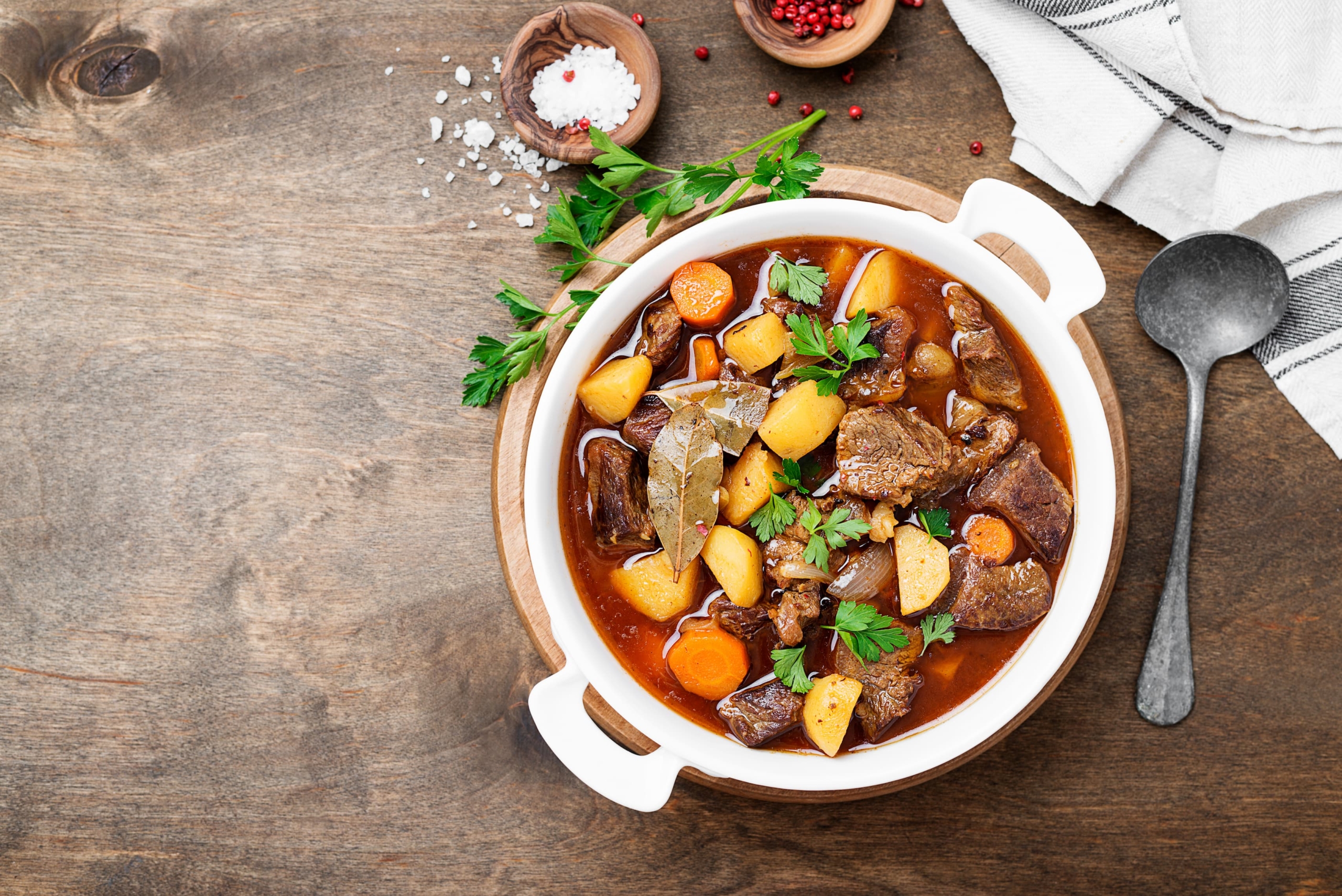
Comfort items like soups, casseroles, stews, baked entrées, and warm grain bowls offer major operational advantages:
- Budget friendly, high yield portions
- Strong cross demographic appeal
- Compatibility with frozen vegetables and pantry staples
- Easy batch production
- Lower labor demand
- Naturally nutrient dense profiles
For high volume kitchens, these benefits make comfort foods a cost-effective and satisfaction-boosting cornerstone of winter menu cycles.
Seasonal Nutrition: What Diners Need Most in Winter
Nutritional needs shift in colder weather. Diners benefit from meals rich in immune supportive vitamins and minerals, sustained energy sources, and ingredients that counteract lower sun exposure and increased indoor congregation.
Key nutrients include:
- Vitamin C for immune support
- Vitamin D to offset reduced sunlight
- Fiber for satiety and digestive health
- Complex carbohydrates for steady energy
- Lean proteins for strength and recovery
- Healthy fats to support metabolic function
The CDC’s winter wellness guidance and supplemental information from the National Institutes of Health Office of Dietary Supplements emphasize the importance of these nutrients in environments where viral transmission risk rises.
Winter’s natural crop cycle supports these needs, offering produce like:
- Sweet potatoes
- Citrus fruits
- Carrots and beets
- Kale, cabbage, and collards
- Winter squash
- Brussels sprouts
- Onions and leeks
These items store well, travel well, and typically offer more stable pricing than out of season produce.
Core Strategies for Winter Menu Planning
Balancing cost, comfort, and nutrition requires a multi dimensional strategy. Below are five essential approaches.
- Build Around Seasonal, Durable Produce
Winter vegetables offer strong yield, long shelf life, and cross menu versatility. Operators benefit from anchoring menu cycles around:
- Squash varieties
- Sweet potatoes
- Root vegetables
- Cruciferous vegetables
- Allium family ingredients
These ingredients work seamlessly in roasted blends, purees, soups, casseroles, grain bowls, and hearty sides. Their storage efficiency and predictable pricing help maintain stability across multi week or multi month menu cycles.
- Maximize High Yield Comfort Classics
Winter is the ideal season to center menus around items that stretch ingredients and reduce complexity. Operationally efficient dishes include:
- Soups and stews
- Shepard’s pie and casseroles
- Rice or grain skillets
- Baked pasta entrées
- Chili variations
- Slow cooked roasts
- Warm breakfast cereals
- Vegetable purees
These formats allow operators to blend fresh, frozen, and shelf stable ingredients in a way that balances cost with culinary quality. GoodSource provides the ready made bases, canned goods, value added vegetables, and proteins needed for these dishes to scale easily.
- Use Frozen and Shelf Stable Items to Maintain Control
Frozen vegetables maintain nutrient levels exceptionally well. The USDA’s analysis of frozen food nutrient retention points out that frozen produce can retain more nutrients than fresh vegetables that have been transported long distances or stored for extended periods.
Shelf stable pantry items like legumes, grains, broths, and canned tomatoes ensure:
- Predictable costs
- Lower spoilage risk
- Flexibility in menu planning
- Better alignment with labor shortages
These ingredients form the backbone of reliable, winter ready menus.
- Design Menus to Boost Immune Support
Winter is when immune supportive ingredients have the greatest impact. Operators can emphasize items known for anti inflammatory or immune enhancing benefits, such as:
- Garlic and onions
- Ginger and turmeric
- Citrus fruits
- Leafy greens
- Lean proteins
- Whole grains
Even classic dishes can contribute to winter wellness. Research published in the CHEST medical journal has shown that chicken soup exhibits anti inflammatory properties that may help ease cold symptoms. In healthcare and senior living environments, these small nutritional boosts can be meaningful.
- Prioritize Labor Efficiency Through Ingredient Choice
When staffing becomes unpredictable, ingredients become a workforce multiplier. Winter menus should rely on:
- Fully cooked proteins
- Pre prepped produce
- Ready to use sauces and bases
- Speed scratch items
- Multi purpose SKUs
GoodSource helps operators offset winter labor challenges by offering dependable access to ingredients and components that streamline preparation without compromising quality.
Sustainability and Waste Reduction: Winter’s Underrated Strength
Winter menus naturally reduce waste due to the nature of the ingredients and cooking techniques. Roasting, braising, and batch cooking enhance full ingredient utilization. Casseroles and soups also help repurpose trimmings and reduce loss.
The EPA’s research on food waste and operational cost reveals that wasted food can account for over twenty percent of total foodservice cost. Using durable, versatile winter ingredients helps operators reduce this significantly.
GoodSource amplifies these efforts through high value bulk ingredients, frozen items, and dependable distribution that reduce spoilage and waste.
How GoodSource Strengthens Winter Operations
GoodSource equips operators with:
- Consistent sourcing during peak seasonal volatility
- Nutrient-rich produce, grains, proteins, and value added components
- Frozen and shelf stable products designed for winter stability
- Speed scratch and labor saving items for operational efficiency
- Menu planning insights for healthcare, education, corrections, and senior living
- A distribution infrastructure built for reliability
This combination enables operators to deliver comforting, nutritious meals without compromising operational performance.
Winter as a Strategic Season
Winter gives operators a unique opportunity to elevate satisfaction, control costs, and streamline labor. With thoughtful planning and the right supply partnership, the season becomes an advantage instead of a challenge.
GoodSource stands ready to help you deliver winter menus that nourish, comfort, and perform.
GoodSource helps operators plan, source, and deliver with confidence through Wholesale Food service distribution that supports consistent quality, budget control, and dependable fulfillment. Explore location-specific solutions, including Bulk Food Suppliers for Healthcare in Texas, Bulk Food Suppliers for Schools in Colorado, Correctional Food Suppliers in Florida, Emergency Food Suppliers for Government in California, and Wholesale Food Suppliers in Georgia.