

Smart Purchasing: How Foodservice Teams Can Stretch Budgets Without Losing Quality
12/15/2025
Running a foodservice operation has always required skill, but today it also requires speed. Prices shift quickly, labor shortages continue, and operators must be ready to act the moment a cost saving opportunity appears. The teams that succeed are the ones who move quickly, build nimble menus, and understand how to stretch their budgets without lowering quality.
Smart purchasing is the key. It combines real time sourcing, flexible menu design, good data, and strong supplier partnerships. For operators across healthcare, corrections, senior living, and education, this approach becomes especially powerful when paired with a partner like GoodSource.com, which specializes in “here today, gone tomorrow” opportunities that reward fast, informed purchasing decisions.
When operators can adapt on the fly and take advantage of limited run deals, they unlock meaningful savings that traditional procurement models miss.
The Challenge: Rising Costs in a Fast Moving Market
Food budgets continue to face pressure from unpredictable markets. According to the USDA Economic Research Service updates, categories like poultry, dairy, eggs, and produce show recurring volatility. Prices don’t simply rise and fall seasonally anymore, they fluctuate quickly based on supply chain shifts, weather events, transportation costs, and global demand.
For institutions with nutritional requirements or compliance guidelines, this instability adds complexity and cost pressure. At the same time, higher labor costs push many operators to rely on value added or labor saving ingredients, which can carry a premium.
The result is a purchasing landscape that rewards operators who move fast rather than those who wait.
GoodSource’s rotating inventory of opportunistic buys gives operators the ability to respond to cost swings in real time rather than being locked into higher priced long term contracts.
Why Speed Is Now a Purchasing Superpower
Gone are the days when foodservice teams could forecast months ahead and rely on stable pricing. Markets shift too quickly. Operators who act with speed can capture savings before inventory runs out.
GoodSource’s limited time deals often come and go within days. When operators review and respond quickly, they can secure high quality items at significantly reduced costs. This requires purchasing teams to:
- Evaluate product fit immediately
- Understand their volume and storage constraints
- Communicate rapidly with culinary leadership
- Build menus that can flex around short term buys
Research from the International Foodservice Manufacturers Association shows that operators who combine speed with data driven purchasing decisions are more likely to maintain cost stability despite economic fluctuation.
This is smart purchasing in action not just buying well, but buying fast.
Nimble Menus Make Fast Decision Making Easier
Speed only works when your menu can pivot. Nimble menus are intentionally designed to flex around availability, cost, and opportunity. If a protein suddenly becomes available at a steep discount, the operator can incorporate it immediately, sometimes for one cycle, sometimes for several weeks, depending on supply.
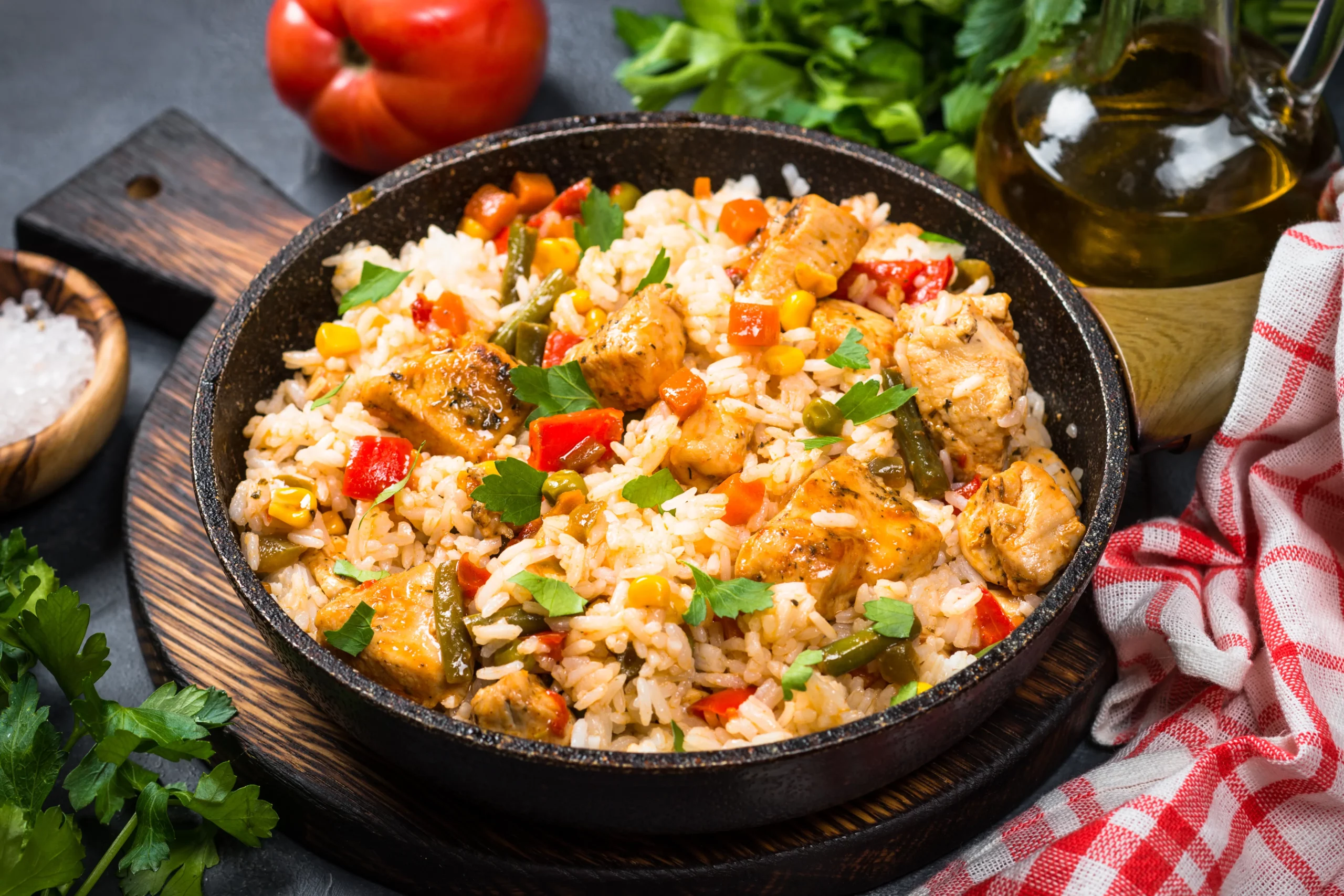
For example, if GoodSource offers a short run buy on a fully cooked chicken thigh item, operators can quickly weave it into:
- Pastas, bowls, stir fries, casseroles
- Daily or weekly specials
- Substitutions for higher cost proteins
When the opportunity ends, the menu simply shifts back or pivots again based on what becomes available next.
This fluidity lets operators stretch budgets without lowering culinary standards. Nimble menus aren’t about being inconsistent they’re about being responsive and resourceful.
Data Helps Operators Move Quickly With Confidence
Even in a fast paced procurement environment, data remains essential. Operators who understand their usage patterns, storage capacity, production volumes, and cost drivers can evaluate a deal within minutes because they know exactly where it fits.
Menu mix analysis, inventory trends, waste tracking, and spend analytics help teams identify the biggest opportunities for substitution and the categories where flexibility has the highest payoff.
This aligns closely with findings from the IFMA procurement modernization report, which highlights that operators leveraging predictive insights are better equipped to adapt quickly without compromising service or quality.
GoodSource supports this by helping buyers understand product applications, cost savings potential, and where substitutions will have the most positive impact.
Versatile Ingredients Keep Menus Flexible
Nimble menus thrive when built on versatile ingredients. These foundational items allow culinary teams to incorporate new products instantly without reworking the entire system.
Examples include:
- Fully cooked proteins adaptable to multiple menu applications
- IQF vegetables and fruits that reduce trim loss and expiration risk
- Whole grains and legumes that stretch dishes affordably
- Ready to heat sides that cut prep time and reduce waste
With versatile base ingredients in place, operators can plug in GoodSource’s opportunistic deals seamlessly. A cost effective protein becomes a hero ingredient as long as it’s available, then rotates out naturally.
Versatility ensures flexibility without chaos.
Reducing Waste Through Smart, Fast Purchasing
Food waste continues to erode foodservice budgets at alarming rates. According to the USDA food loss and waste estimates, up to 40 percent of the food supply in the United States is wasted every year. For institutions, even small amounts of daily waste compound into measurable financial losses.
Fast, strategic purchasing reduces waste by allowing teams to buy smaller quantities more frequently, aligned with actual demand. GoodSource’s short term deals support this approach, enabling operators to avoid overstocking and minimizing spoilage.
Instead of committing to large volumes at higher prices, operators can purchase what they need now at a discount, then pivot when the next deal becomes available. This creates a healthier inventory cycle, less waste, and a better bottom line.
Labor Efficiency Improves When Menus Can Shift
Labor shortages remain a significant challenge across foodservice. Value added ingredients often play a critical role in keeping operations efficient. Many of these items appear in GoodSource’s rotation of special buys and limited time deals.
By staying flexible, operators can adjust their menus based on which labor saving items are available at the best price. This helps teams:
- Reduce prep time
- Simplify training
- Maintain consistency
- Improve speed of service
Speed matters here too. A timely deal on a labor saving item can support smoother service periods when teams are stretched thin.
Blending Agility and Volume Strategy
Being nimble doesn’t mean abandoning volume based procurement. In fact, some of the most effective purchasing strategies combine:
- Stable volume buys for core menu items
- Fast moving, opportunistic buys for flexible ones
GoodSource helps operators structure purchasing this way, ensuring they get both reliability and savings. The hybrid model is increasingly becoming the future of institutional procurement because it adapts to the fast paced nature of today’s supply landscape.
Operators gain stability where they need it and agility everywhere else.
Looking Ahead: Fast, Flexible, Future Ready
Speed, flexibility, data, and adaptability will define smart purchasing in the coming years. Operators who build nimble menus and respond quickly to opportunities will consistently outperform those locked into rigid buying cycles.
GoodSource.com is helping operators embrace this new era by providing continuous access to short term deals, cost efficient substitutions, and items that allow menus to flex without compromising quality.
Stretching a budget no longer means cutting corners. It means moving quickly, thinking creatively, and using real time purchasing opportunities to elevate both cost efficiency and culinary performance.
When continuity, compliance, and cost matter most, GoodSource supports your operation with scalable Wholesale Food service distribution designed for institutional performance. See how we serve different needs across the country with Bulk Food Suppliers for Healthcare in California, Bulk Food Suppliers for Schools in Alabama, Emergency Food Suppliers for Government in Indiana, Correctional Food Suppliers in Tennessee, and Wholesale Food Suppliers in Texas.