

Early-Year Menu Trends Shaping Institutional Dining in 2025
01/15/2026
Food service directors, campus dining managers, and institutional kitchen leaders are watching major shifts reshape how students eat on campus. The early-year menu trends emerging in 2025 show a clear move toward healthier, more personalized, and globally-inspired dining options that match what today’s students actually want.
Three key changes are driving this transformation. Plant-forward menu planning is taking center stage as institutions discover creative ways to make vegetables the star of every meal while keeping costs manageable. Technology personalization dining is changing how students interact with food services, from AI-powered meal recommendations to apps that remember dietary preferences and allergies. Global fusion institutional food is expanding beyond basic international options to create exciting flavor combinations that reflect increasingly diverse student demographics.
These institutional dining trends 2025 aren’t just about following food fads. They’re responding to real pressure points: tighter budgets, environmental concerns, and a generation of students who expect their campus dining to match the variety and quality they find everywhere else.
Plant-Forward Menu Evolution Dominating Institutional Kitchens
Strategic Protein Diversification Beyond Traditional Meat Options
Institutional dining programs are experiencing a seismic shift as plant-forward menu planning becomes the new standard rather than an afterthought. Food service directors are discovering that strategic protein diversification goes far beyond simply offering a vegetarian option. Today’s approach involves creating protein portfolios that blend traditional animal proteins with plant-based alternatives, legumes, nuts, seeds, and innovative protein sources like hemp and quinoa.
This diversification strategy addresses multiple challenges simultaneously. Students increasingly expect variety that reflects their dietary preferences, whether driven by health concerns, environmental awareness, or cultural backgrounds. Smart food service operations are responding by incorporating protein-rich ingredients like black bean and quinoa bowls, lentil-based meatballs, and chickpea-powered curries that appeal to omnivores and plant-based eaters alike.
The most successful institutional kitchen innovation examples show protein diversification working across all meal periods. Breakfast menus now feature tofu scrambles alongside traditional eggs, while lunch offerings might include both turkey and tempeh versions of popular sandwiches. This approach ensures no student feels limited by their dietary choices while expanding the culinary repertoire of institutional kitchens.
Innovative Vegetable-Centric Entrees Boosting Student Satisfaction
Student satisfaction scores are climbing as institutional kitchens reimagine vegetables as the star of the plate rather than relegated to side dishes. This shift represents a fundamental change in how food service teams approach menu development, with vegetables taking center stage in creative, flavor- forward presentations that rival any meat-based entree.
Cauliflower steaks glazed with miso and served with herb oil, roasted vegetable grain bowls topped with tahini dressing, and stuffed bell peppers filled with wild rice and mushroom mixtures are replacing traditional casseroles and steamed vegetable sides. These institutional dining trends 2025 reflect a sophisticated understanding of how to maximize vegetable appeal through proper seasoning, cooking techniques, and presentation.
The key lies in treating vegetables with the same culinary respect traditionally reserved for proteins. Roasting, grilling, and braising techniques bring out complex flavors and satisfying textures that keep students coming back for more. Many institutions report that their most popular menu items now feature vegetables as the primary ingredient, with students requesting recipes to recreate dishes at home.
Cost-Effective Plant Proteins Reducing Food Service Budgets
Budget-conscious food service directors are finding that plant proteins offer significant cost advantages without sacrificing nutritional quality or student satisfaction. Dried beans, lentils, and split peas cost a fraction of meat proteins while providing comparable nutritional benefits, making them attractive options for institutions managing tight food budgets.
The economics become even more compelling when considering yield and waste factors. Plant proteins like beans and grains expand during cooking, creating more servings per pound of raw ingredients. Unlike meat proteins that can suffer from overcooking or spoilage, plant-based options maintain quality longer and offer more flexibility in preparation timing.
Bulk purchasing of whole grains, legumes, and nuts allows institutions to achieve even greater cost savings while building diverse protein options. Many food service operations report reducing protein costs by 30-40% while simultaneously increasing menu variety and student satisfaction. This cost effectiveness enables institutions to invest savings into other areas like local sourcing, organic ingredients, or enhanced food presentation, creating a positive cycle that benefits both budgets and dining experiences.
Smart procurement strategies focus on versatile plant proteins that work across multiple menu applications, maximizing both cost efficiency and culinary creativity in institutional dining programs.
Technology-Driven Personalization Transforming Dining Experiences
AI-Powered Menu Planning Based on Individual Dietary Preferences
Artificial intelligence is revolutionizing how institutional dining services approach menu planning. Advanced algorithms now analyze student food preferences, dietary restrictions, and consumption patterns to create personalized meal options. These systems track individual eating habits through dining card swipes and mobile app interactions, building comprehensive profiles that inform menu decisions.
Modern AI platforms can predict demand for specific dishes with 85% accuracy, allowing food service directors to optimize portions and reduce waste. Students with allergies, religious dietary requirements, or health conditions receive tailored recommendations that appear prominently in their dining apps. The technology has proven particularly effective in accommodating the diverse needs of today’s student body, automatically flagging potential allergens and suggesting suitable alternatives.
Mobile Ordering Systems Eliminating Wait Times and Food Waste
Mobile ordering technology has become a game-changer for institutional kitchen innovation, dramatically reducing both wait times and food waste. Students can place orders from their dorms, customize meals to their exact specifications, and receive real-time updates about pickup times. This system allows dining staff to prepare meals with precision timing, eliminating the guesswork that traditionally led to overproduction.
The data collected through mobile platforms provides valuable insights into peak dining hours and popular menu items. Kitchen managers can adjust staffing schedules and food preparation quantities based on actual order patterns rather than estimates. Some institutions report a 30% reduction in food waste since implementing mobile ordering systems, while student satisfaction scores have increased due to shorter lines and consistently fresh meals.
Smart Kitchen Equipment Optimizing Food Quality and Consistency
Connected kitchen equipment is transforming institutional food preparation through precise temperature control, automated cooking processes, and real-time monitoring. Smart ovens can adjust cooking times and temperatures based on the specific dish being prepared, ensuring consistent results across multiple batches. These systems integrate with inventory management software to track ingredient usage and automatically reorder supplies when stocks run low.
Blast chillers equipped with sensors monitor food safety compliance by tracking temperature ranges throughout the cooling process. Connected fryers maintain optimal oil temperatures and alert staff when filtration is needed, extending oil life and improving food quality. This technology enables smaller kitchen teams to manage larger operations while maintaining higher standards for food safety and taste consistency.
Real-Time Nutritional Tracking Supporting Health Goals
Digital nutrition tracking has transformed how students engage with their dietary choices in institutional dining settings. Interactive displays and mobile apps provide instant access to detailed nutritional information, including calories, macronutrients, vitamins, and allergen data for every menu item. Students can set personal health goals and receive recommendations based on their daily nutritional intake.
Wearable device integration allows some systems to sync with fitness trackers, providing personalized meal suggestions based on activity levels and health objectives. Athletic departments particularly benefit from this technology, as coaches can monitor their teams’ nutritional intake and ensure student-athletes meet performance-related dietary requirements. The real-time feedback helps students make informed food choices while supporting broader campus wellness initiatives.
Global Fusion Flavors Meeting Diverse Student Demographics
Authentic International Cuisines Reflecting Campus Diversity
Modern institutional dining has moved far beyond basic cafeteria fare, embracing authentic international cuisines that mirror the rich diversity found on today’s campuses. Dining services now collaborate with international students and cultural organizations to develop menus that genuinely represent their home countries’ culinary traditions. This shift goes beyond superficial adaptations—chefs are learning proper cooking techniques, sourcing authentic ingredients, and understanding the cultural significance behind traditional dishes.
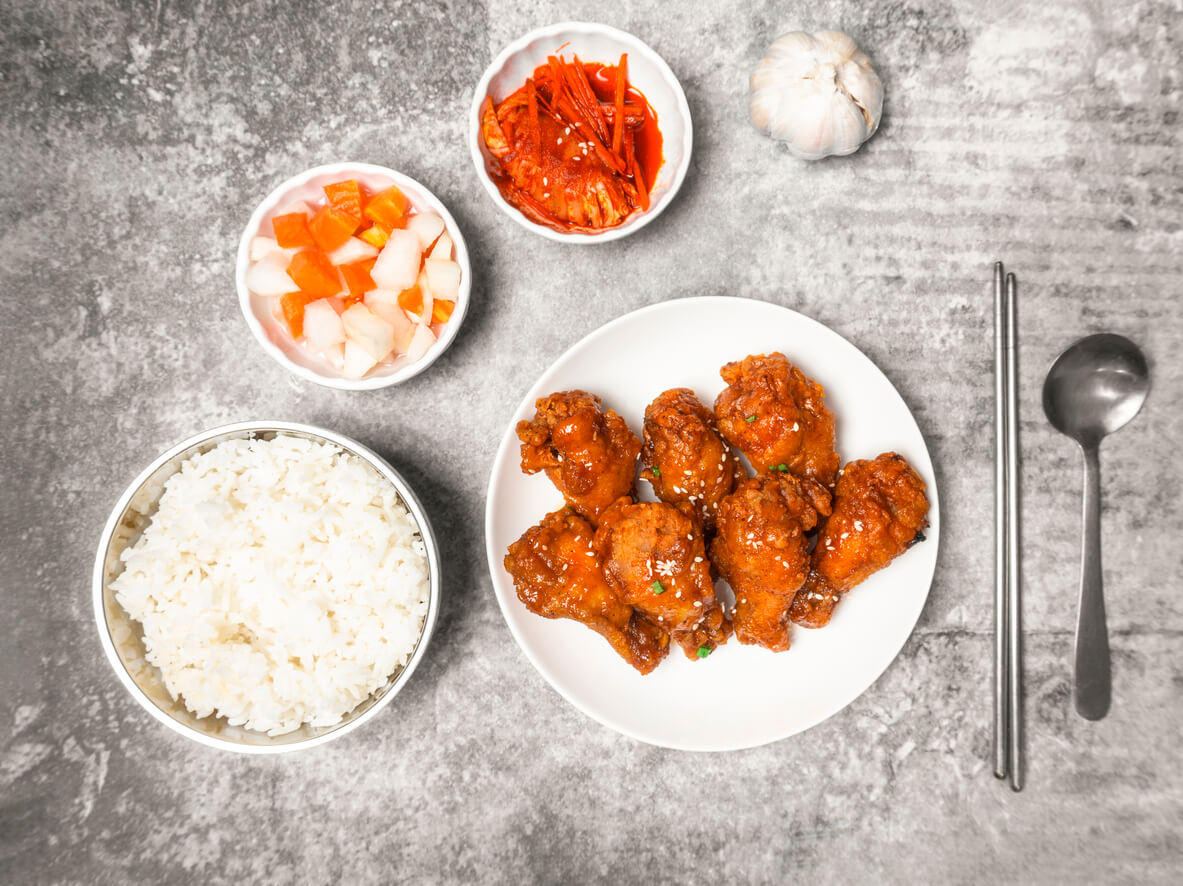
Korean bibimbap bowls, Indian dal variations, and Mexican street tacos prepared with traditional methods have become staples in many institutional kitchens. The key lies in authenticity rather than Americanized versions that often dilute the original flavors and cultural meaning. Many dining programs now employ international chefs or work closely with cultural advisors to ensure dishes maintain their traditional integrity while meeting institutional food safety and preparation standards.
This approach to global fusion institutional food creates a sense of belonging for international students while exposing domestic students to genuine cultural experiences through food. The result is a dining environment that celebrates diversity and helps students feel more connected to their campus community.
Bold Spice Profiles Appealing to Adventurous Palates
Today’s college students are more adventurous with flavors than previous generations, driving demand for bold spice profiles that challenge traditional institutional dining assumptions. Dining directors report significant success with dishes featuring complex spice blends, fermented ingredients, and heat levels that would have been considered too intense just a few years ago.
Ethiopian berbere spice blends, Thai curry pastes, and Moroccan harissa are finding their way into mainstream institutional menus. These aren’t just specialty items tucked away in international food stations—they’re being integrated into everyday offerings like grain bowls, protein preparations, and vegetable dishes. The growing popularity of global street food has also influenced institutional menus, with items like Korean gochujang-glazed vegetables and Middle Eastern za’atar-seasoned proteins becoming regular features.
Student dining demographics show increasing acceptance and enthusiasm for these bold flavors, with many students specifically seeking out spicier, more complex dishes. This trend has prompted dining services to educate staff on proper spice handling and flavor balancing, ensuring these international flavor profiles are executed correctly and safely at institutional scale.
Cultural Food Celebrations Building Community Connections
Institutional dining programs are increasingly using food as a bridge to build stronger community connections through carefully planned cultural celebrations. These events go beyond simple themed nights, incorporating storytelling, cultural education, and community participation that transforms dining halls into spaces for meaningful cross-cultural exchange.
Lunar New Year celebrations feature traditional dumplings made fresh in front of students, complete with demonstrations and cultural significance explanations. Diwali festivals showcase regional Indian sweets and savory dishes, often prepared in collaboration with local cultural centers. These celebrations create opportunities for students to share their heritage while introducing others to authentic cultural experiences.
The success of these programs lies in their collaborative approach—working directly with cultural student organizations, international student services, and local community groups to ensure authentic representation. Many institutions now employ cultural liaison positions specifically to coordinate these programs and ensure respectful, accurate cultural representation in their dining offerings.
These institutional dining trends 2025 reflect a deeper understanding that food serves as more than sustenance—it’s a powerful tool for building inclusive campus communities where all students feel valued and represented through authentic culinary experiences.
Sustainable Sourcing Practices Reducing Environmental Impact
Local Farm Partnerships Ensuring Fresh Seasonal Ingredients
Institutional kitchens are transforming their supply chains by building direct relationships with local farmers within a 150-mile radius. These partnerships deliver produce at peak freshness while dramatically cutting transportation costs and emissions. Universities and corporate cafeterias now work with farmers to plan seasonal menus months ahead, creating predictable income streams for producers and guaranteeing fresh ingredients for students.
The shift toward local sourcing has introduced exciting seasonal variations that keep menus dynamic year-round. Spring brings fresh asparagus and strawberries, summer delivers peak tomatoes and corn, fall offers squash and apples, while winter features hearty root vegetables and preserved foods. Students experience genuine farm-to-table dining that connects them with regional food systems.
Many institutions have established on-campus gardens and greenhouse programs, partnering with horticulture departments to grow herbs, microgreens, and specialty vegetables. These initiatives reduce transportation to zero miles while providing hands-on learning opportunities for students interested insustainable agriculture and culinary arts.
Zero-Waste Cooking Techniques Maximizing Food Utilization
Professional kitchens are revolutionizing their approach to food waste through innovative preparation methods that use every part of ingredients. Vegetable scraps become flavorful stocks, herb stems get transformed into pestos and oils, and fruit peels become natural flavor enhancers for beverages and desserts.
Root-to-stem cooking has become standard practice, with broccoli stems appearing in stir-fries, beet greens in salads, and cauliflower leaves in soups. Kitchen staff receive specialized training on creative ways to repurpose food scraps, turning potential waste into delicious menu additions. Carrot tops become herb substitutes, watermelon rinds get pickled, and citrus peels infuse vinegars and syrups.
Batch cooking strategies help reduce overproduction while ensuring food safety. Kitchens use precise forecasting based on historical data and real-time ordering systems to prepare appropriate quantities. Leftover proteins get repurposed into new dishes the following day, with yesterday’s roasted chicken becoming today’s chicken salad or soup base.
Eco-Friendly Packaging Solutions Supporting Green Initiatives
Disposable packaging has undergone a complete makeover as institutions embrace compostable and reusable alternatives. Plates made from wheat chaff, cups crafted from plant-based materials, and utensils created from bamboo have replaced traditional plastic items. These sustainable sourcing practices align with broader environmental impact food service goals while maintaining functionality and cost-effectiveness.
Many dining programs now offer reusable container programs where students purchase durable containers that get cleaned and sanitized between uses. This system eliminates thousands of disposable containers daily while creating a sense of ownership and responsibility among users.
Packaging innovations include edible wrappers made from seaweed, biodegradable film from potato starch, and containers that break down completely in campus composting systems within 90 days. These materials maintain food safety standards while supporting campus-wide sustainability goals.
Carbon-Neutral Menu Options Addressing Climate Concerns
Menu planning now incorporates carbon footprint calculations for every dish, with low-emission options clearly marked and promoted. Plant-based proteins receive priority placement, while animal proteins come from regenerative farming operations that sequester carbon rather than releasing it.
Transportation miles directly influence ingredient selection, with local and regional items preferred over imports. When international ingredients are necessary, institutions choose suppliers committed to carbon-neutral shipping methods and renewable energy operations.
Many dining programs participate in carbon offset programs, calculating their environmental impact and investing in renewable energy projects, reforestation efforts, and methane capture systems. Students can track their personal dining carbon footprint through mobile apps that suggest lower-impact alternatives.
Seasonal menu rotation naturally reduces carbon impact by eliminating the need for energy-intensive greenhouse production and long-distance transportation. Winter menus feature preserved and stored local crops, while summer menus celebrate fresh regional produce at its peak availability.
Functional Foods Promoting Student Wellness and Performance
Brain-Boosting Nutrients Enhancing Academic Performance
Students facing demanding academic schedules need more than basic nutrition—they need foods that actively support cognitive function. Omega-3 fatty acids, found in walnuts, chia seeds, and fatty fish, are becoming menu staples because they directly impact memory formation and concentration. Campus dining operations are now incorporating these brain-friendly ingredients into everyday offerings like salmon bowls, walnut-crusted chicken, and chia-infused smoothies.
Antioxidant-rich foods are taking center stage in functional foods student wellness initiatives. Blueberries, dark chocolate, and leafy greens protect brain cells from oxidative stress while improving information processing speed. Smart menu planners are adding these ingredients to breakfast parfaits, salad bars, and even dessert options, making brain health delicious and accessible.
B-vitamins, particularly B6 and B12, support neurotransmitter production that affects mood and cognitive performance. Institutional kitchens are featuring more fortified grains, nutritional yeast, and lean proteins to ensure students get adequate levels of these critical nutrients throughout the day.
Immune-Supporting Ingredients Reducing Illness Rates
Campus health centers see fewer sick days when dining services prioritize immune-boosting ingredients. Vitamin C powerhouses like citrus fruits, bell peppers, and broccoli are appearing in more creative applications—from vitamin C-packed stir-fries to colorful pepper and citrus salsas that students actually want to eat.
Probiotics and prebiotics are revolutionizing gut health support in institutional dining. Fermented foods like kimchi, kombucha, and yogurt-based dressings are showing up alongside traditional menu items. Prebiotic-rich foods such as garlic, onions, and asparagus are being woven into everyday dishes, supporting the beneficial bacteria that strengthen immune response.
Zinc and vitamin D are getting special attention as research continues to highlight their immune- supporting properties. Menu developers are incorporating zinc-rich pumpkin seeds into salads and grain bowls, while vitamin D-fortified milk alternatives and mushroom-based dishes help address common deficiencies among student populations.
Energy-Optimized Meals Sustaining All-Day Focus
Traditional energy crashes from high-sugar, processed foods are becoming a thing of the past as institutional dining trends 2025 focus on sustained energy release. Complex carbohydrates from quinoa, sweet potatoes, and steel-cut oats provide steady glucose levels that support consistent mental performance throughout long study sessions.
Protein timing and quality are receiving renewed attention in energy-optimized meal planning. Lean proteins like turkey, tofu, and legumes are being strategically placed in breakfast and lunch offerings to provide amino acids that support alertness and prevent afternoon energy dips.
Healthy fats from avocados, nuts, and olive oil are being celebrated for their role in sustained energy and nutrient absorption. These ingredients are showing up in everything from avocado toast variations to nuts-and-seeds energy balls available at grab-and-go stations.
Iron-rich foods combat fatigue that affects academic performance, especially among young adults. Spinach, lentils, and lean red meat are being featured in creative combinations that make iron absorption more effective—like pairing vitamin C-rich tomatoes with iron-heavy spinach in Mediterranean-inspired bowls.
Hydration support through water-rich foods and natural electrolyte sources is becoming integral to energy optimization strategies, with cucumber-infused waters and coconut-based beverages supporting optimal cognitive function.
Plant-forward menus, tech-powered personalization, and global fusion flavors are revolutionizing how institutional dining serves today’s diverse communities. Schools and organizations are moving beyond basic meal service to create experiences that reflect their commitment to student wellness, cultural inclusivity, and environmental responsibility. These changes aren’t just trendy additions – they’re smart responses to what students actually want and need from their dining programs.
The institutions that embrace these shifts will see the biggest wins in student satisfaction, operational efficiency, and campus culture. Start by picking one or two trends that align best with your community’s values and budget, then build from there. Your dining program has the power to fuel better learning, create connections across cultures, and show students that their health and happiness truly matter.
With a focus on supply stability and cost efficiency, GoodSource powers performance driven Wholesale Food service distribution nationwide. Discover Bulk Food Suppliers for Healthcare in Georgia, Bulk Food Suppliers for Schools in Oregon, Correctional Food Suppliers in Texas, Emergency Food Suppliers for Government in Alabama, and Wholesale Food Suppliers in Washington.