Bulk Food Suppliers – Chicken for Employee Feeding in San Francisco, California
Please complete the form below to have a GoodSource representative contact you about this and other popular menu items
Monday’s employee lunch might require chicken for 250 meals. Tuesday could include a company training session that pushes that number higher. By Friday, fewer employees may be working on-site, changing demand again. For workplace kitchens, purchasing the same quantity every week does not always reflect how food is actually being used.
GoodSource supports businesses searching for wholesale food suppliers in San Francisco, providing access to bulk chicken and additional commercial food products for employee feeding operations. From corporate cafeterias to manufacturing facilities and multi-location businesses, purchasing can be planned around the number of meals being prepared rather than relying on a standard order that remains unchanged throughout the year.
Looking for food services specializing in Chicken for Employee Feeding in San Francisco, California? GoodSource delivers bulk and wholesale food solutions nationwide.
Weekly purchasing becomes easier to understand when the foodservice schedule is divided into individual service days. Foodservice managers can review Monday through Friday—or every operating day for facilities running seven days a week—and estimate how many chicken portions are expected during each meal period.
This approach creates a forecast based on what the kitchen is actually planning to produce.
Knowing that chicken will be served is only the beginning. How the chicken appears on the menu can influence product selection, portioning, preparation time, and purchasing quantities.
Chicken prepared as a main entrée may have very different requirements from chicken being incorporated into a salad, pasta dish, sandwich, or bowl.
Businesses sourcing bulk chicken in San Francisco can consider the intended application before deciding which products and quantities are appropriate for their kitchens.
A large workforce does not automatically mean every employee uses workplace foodservice. Some employees may bring lunch from home, others may work remotely for part of the week, and different shifts may have significantly different cafeteria participation rates.
Instead of using total employment figures alone, foodservice teams can track the number of meals actually served during each service period.
Over time, these figures can reveal patterns. A cafeteria may discover that Tuesday through Thursday consistently produces greater demand than Monday or Friday, while another operation may find that its evening shift has higher workplace meal participation than expected.
Organizations comparing wholesale food suppliers in San Francisco can use these patterns when establishing future chicken requirements.
Employee cafeterias can experience concentrated demand because many workers take breaks at similar times. A production facility might need hundreds of meals ready within a short service window, while a corporate cafeteria could experience a significant lunch rush between meetings.
Chicken purchasing can account for both total daily demand and when that demand occurs.
This is particularly useful for manufacturing plants, warehouses, distribution facilities, industrial workplaces, and other businesses where scheduled breaks can bring large groups of employees into dining areas simultaneously.
A case of chicken only becomes useful to a workplace kitchen when it can be converted into meals. Product weight therefore tells only part of the purchasing story.
Suppose an employee feeding program expects to serve 600 chicken meals during an upcoming menu cycle. Buyers can begin with those 600 portions and determine the amount of product required according to the intended portion size and selected chicken format.
The calculation can then be repeated for every chicken meal on the schedule, helping connect bulk chicken in San Francisco directly with anticipated foodservice output.
Workplace foodservice teams often operate according to strict preparation and service schedules. Products requiring substantial preparation may work well for one kitchen but create unnecessary pressure in another.
Matching the product with kitchen capabilities can support a smoother path from receiving through service.
Buying in commercial quantities requires sufficient space to receive and safely store the inventory. This is especially relevant for frozen and refrigerated chicken.
Before placing an order, purchasing teams can review freezer space, refrigerated capacity, current inventory, expected turnover, package sizes, and scheduled deliveries.
A facility with limited storage may benefit from different ordering intervals than an operation with substantial freezer capacity. Businesses researching wholesale food suppliers in San Francisco should therefore consider storage alongside anticipated meal volume.
Workplace food may be served in several locations throughout the same organization. A central cafeteria could handle most meals while smaller service areas provide food to employees working in different buildings or departments.
Accounting for all these service points can provide a more complete picture of total demand.
Food purchasing requirements may increase before historical consumption figures have time to show the change. A new shift, seasonal workforce expansion, increased office attendance, overtime, or a major project can put additional employees on-site.
Previous chicken usage provides a valuable benchmark, but buyers can compare those figures with upcoming workforce schedules.
If another 100 employees will begin working on-site next month, the foodservice team can evaluate the likely impact before the first additional meals are served.
Training days, conferences, employee appreciation lunches, holiday functions, recruitment events, meetings, and company celebrations can temporarily increase foodservice volume.
Separating regular meals from event meals can make purchasing data easier to interpret. A large company event should not necessarily cause future routine orders to increase if the additional chicken was required only once.
This distinction helps keep recurring inventory aligned with normal workplace consumption.
Employee feeding requires a complete foodservice inventory, not simply a protein supply. Chicken may form the center of an entrée, but kitchens also need ingredients and products to build the rest of the meal.
GoodSource provides access to chicken along with beef, turkey, fish and seafood, frozen foods, vegetables, rice, grains, pasta, canned products, breakfast foods, snacks, beverages, condiments, and pantry staples.
For companies evaluating wholesale food suppliers in San Francisco, sourcing across multiple food categories can support broader employee feeding requirements.
No two workplace dining operations have exactly the same requirements. A corporate campus, manufacturing plant, distribution facility, or office complex can each operate with different menus, schedules, storage capacities, and meal volumes.
Each organization can establish chicken quantities according to its menu, employee participation, operating schedule, kitchen capacity, and available storage.
Companies operating several facilities may want centralized purchasing, but that does not mean every location requires identical quantities. A corporate office, warehouse, and manufacturing plant may all serve employees differently.
Foodservice teams can establish chicken requirements at each location first and then review opportunities for broader purchasing coordination.
This helps account for differences in employee participation, menu frequency, storage, shift schedules, and preparation capacity.
Foodservice purchasing creates useful operational data. At the end of an ordering cycle, teams can compare anticipated demand with the number of portions actually served and the inventory remaining.
If chicken consistently runs low before the next delivery, quantities or delivery frequency may need review. If substantial inventory regularly remains, purchasing teams can investigate whether forecasts exceed actual consumption.
Over time, these observations can help refine wholesale ordering.
A successful chicken purchasing program connects the menu with the people being served. Meal participation, portion size, kitchen labor, storage, workplace schedules, special events, and existing inventory all contribute to determining what should be ordered.
If your organization requires Chicken for Employee Feeding in San Francisco, California, GoodSource can support commercial food purchasing for workplace cafeterias, staff dining facilities, manufacturing operations, corporate campuses, catered functions, and multi-location employee feeding programs.
Businesses searching for wholesale food suppliers in San Francisco can contact GoodSource to discuss bulk chicken requirements, anticipated foodservice volumes, additional product categories, recurring orders, and nationwide wholesale food distribution.
Wholesale Food Suppliers in San Francisco for Employee Feeding
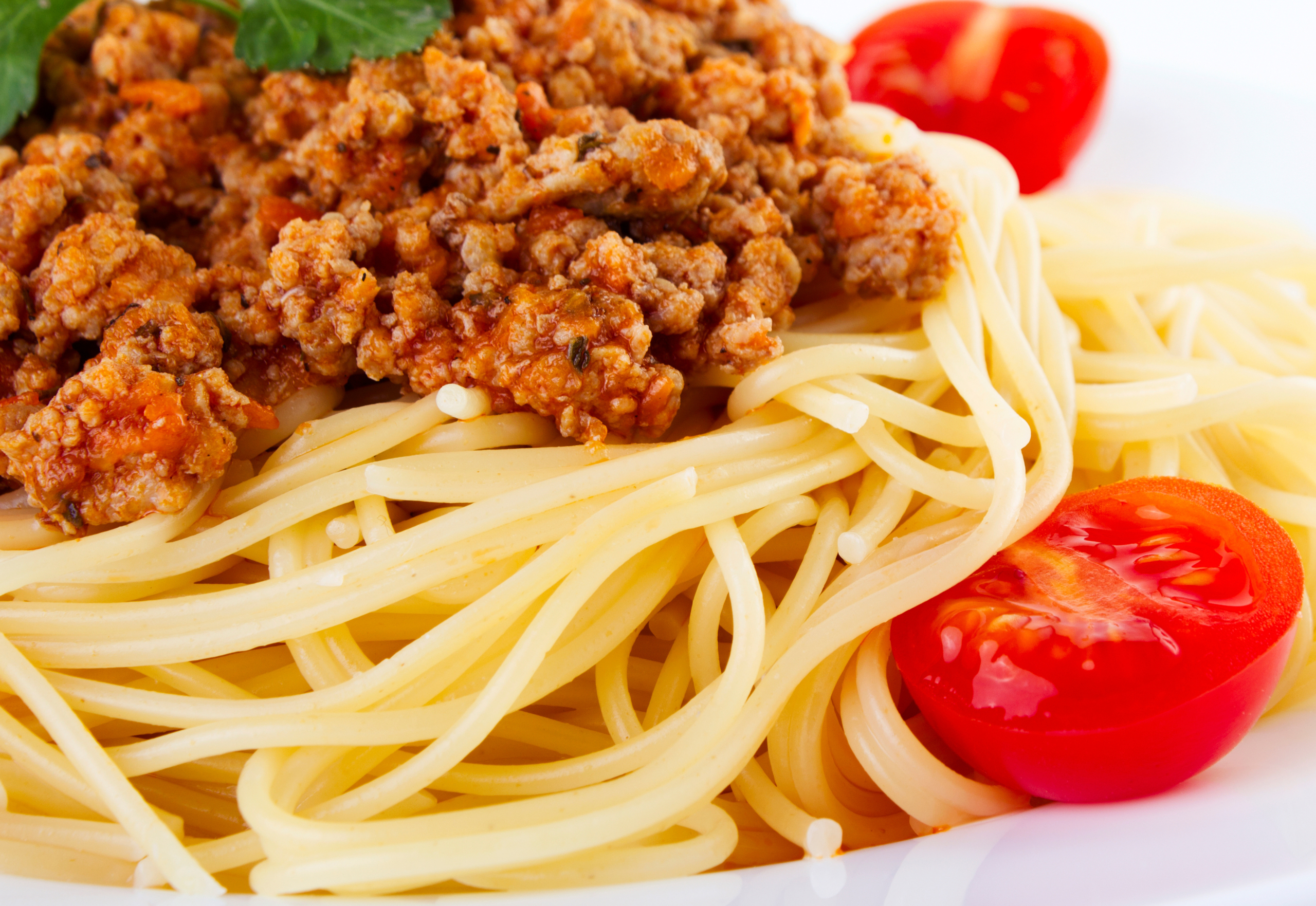
Build the Chicken Forecast One Day at a Time
Use the Menu to Determine the Type of Chicken Required
Match Wholesale Chicken With the Meal
Measure Demand Where Employees Are Actually Eating
Participation Can Be More Useful Than Headcount
Give High-Volume Service Periods Their Own Plan
Prepare Inventory for the Busiest Meal Period
Calculate the Value of Chicken in Finished Portions
Work Backward From the Number of Servings

Factor Kitchen Labor Into Product Selection
Match Chicken With Available Production Resources
Plan Storage Before Increasing Order Volume
Let Cold Storage Set Practical Boundaries
Employee Feeding Extends Beyond the Cafeteria
Include Every Foodservice Destination in the Forecast
Workforce Changes Can Quickly Alter Food Requirements
Look Ahead Instead of Ordering From History Alone
Treat Workplace Events as Separate Demand
Add Event Portions After Normal Cafeteria Demand
Build More Than a Chicken Order
Consolidate Broader Commercial Food Requirements
Support Employee Feeding Across Different Industries
GoodSource Can Support a Range of Workplace Environments
Multi-Site Purchasing Starts With Individual Locations
Calculate Local Demand Before Combining Orders
Use Every Ordering Cycle to Improve the Next One
Turn Consumption History Into Better Forecasts
Source Chicken for Employee Feeding in San Francisco, California
Nationwide Wholesale Food Solutions From GoodSource
Inspiring stories from supporters
Discover heartfelt stories from our supporters, sharing their experiences and the impact of our work.
We here at Windy Hill have been doing business with Good Source for over 30 years. One would be hard pressed to find a more experienced group of professionals who care about their vendors and customers and who actually do what they say.
Working with GoodSource Solutions has afforded us the opportunity to expand our client base to include a variety of demographic groups, industries, geographic locations and market segments. As a sourcing partner, they have helped us to grow and diversify our product portfolio so that we can better serve our customers. GoodSource Solutions really is “Your One Stop Shop” when it comes to Center of the Plate proteins, Value-added meats, Fruits, and Vegetables.
Good Source Solutions has been a game-changer for Correctional food service operations. Their reliable delivery and high-quality products ensure that we consistently meet nutritional standards while staying within budget. The exceptional customer service and tailored solutions have made them an invaluable partner in our mission to provide healthy meals to our residents.
Culinary Creations
Explore innovative dishes, seasonal ingredients, and cooking techniques.

Managing Cold Chain Integrity When Fall Demand Increases Unexpectedly

Supplier Performance Metrics That Actually Matter to Your Bottom Line

How Digital Documentation Reduces Food Service Quality Control Failures